

To Issue 184
Citation: Nazarzadeh E, “Acoustic Wave Platform Nebuliser for Inhaled Delivery of Biologic Therapies, ONdrugDelivery, Issue 184 (Apr 2026), pp 40–44.
Simon Bucher, Dr Amy MacDonald and Dr John DeFoggi explain how human factors engineering is at the centre of the development of PARI’s breath-triggered eFlow® Integrated nebuliser, and consider how this approach preserves scientific rigour while avoiding redundant testing and ensuring efficient resource allocation.
Human factors (HF) engineering prioritises the user experience throughout product development with the aim of developing patient-centric devices that optimise usability, improve adherence and minimise risks associated with use. Effective patient-centric nebuliser devices are invaluable in respiratory disease management, with a wealth of evidence demonstrating their many benefits, including enhanced drug delivery efficiency, better compliance, reduced symptom burden and improved patient satisfaction.1,2
DEVELOPING A PATIENT-CENTRIC NEBULISER DEVICE PLATFORM
Within a platform approach, a shared core technology is defined that serves as the foundation for multiple applications. In this case, the nebuliser functions as a drug delivery device with a standardised core architecture that remains consistent across products, while certain components or performance parameters can be adapted to accommodate different APIs, therapeutic areas or specific treatment requirements.
This approach enables pharmaceutical companies to use the same fundamental nebuliser platform to develop their own combination product and mitigate risk by reducing development efforts, regulatory complexity and time to market. While this preserves sufficient flexibility to meet drug- and indication-specific requirements, this approach creates unique HF challenges for the device manufacturer when developing a new platform product for a large therapeutic category. This is particularly relevant in the respiratory field, where rare diseases play an important role, especially if highly specific user characteristics need to be targeted.
At the time of platform development, however, none of the pharmaceutical partner, final drug product and target indication are known. The platform therefore requires broad usability across diverse patient groups.3,4
In addition, pharmaceutical companies typically generate proprietary HF data for their own combination products. Limited data-sharing between agencies and pharmaceutical companies – even when using the same platform device – combined with the regulatory expectation of available test data with the intended patients often weakens confidence in early HF data generated at a platform level. As a result, pharmaceutical companies tend to incorporate comprehensive, time-consuming and costly usability assessments into their development programmes that often re-evaluate previously addressed issues.
Optimising this process through early identification of both usability risks and meaningful user characteristics has the potential to improve time to submission and eliminate redundant formative testing throughout the regulated pathway. Pharmaceutical companies rely on minimising development risk and accelerating time to market by selecting an appropriate nebuliser device for their drug products.
As demonstrating safe and effective use in HF summative studies is part of the NDA process, they must have confidence that the respective nebuliser is appropriate for their specific patient population based on the HF activities already conducted. This presupposes that the previously generated tests and supporting evidence are demonstrably applicable to their intended patient population, and that these data can be provided by the manufacturer and incorporated within the pharmaceutical companies’ regulatory documentation. Consequently, pharmaceutical companies can integrate the device more seamlessly into their drug product and focus their development efforts on the user interface specific to their combination product, such as co-packaging and labelling.
However, regulatory authorities such as the US FDA increasingly expect manufacturers to clearly delineate how a new platform product differs from similar cleared comparators or other versions of the same platform product.5,6 Such comparative justification can enable the agency to conduct a more efficient and focused review by identifying product-specific risks, novel features and relevant regulatory considerations. To achieve this, PARI has initiated a new approach that generates usability data during device platform development in a format that can be efficiently incorporated into combination‑product HF programmes, thereby minimising redundant testing cycles.
“BY PRIORITISING A MORE ROBUST UCA OVER INDIVIDUAL DISEASE LABELS, PARI ENSURES THAT THE DEVICE MEETS THE NEEDS AND CHARACTERISTICS OF A DIVERSE TARGET POPULATION WITH VARYING RESPIRATORY CONDITIONS.”
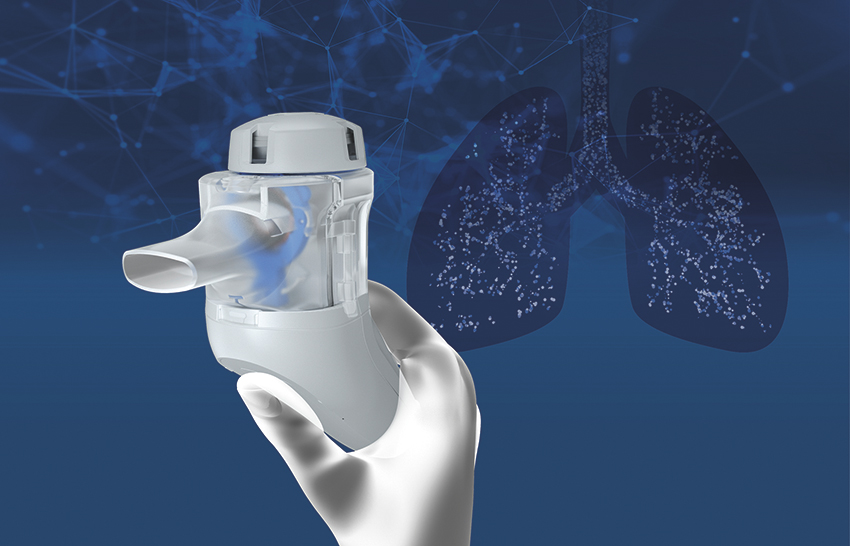
When developing the new breath-triggered eFlow® Integrated nebuliser platform,7 PARI established a comprehensive HF strategy. By prioritising a more robust user characteristics assessment (UCA) over individual disease labels, PARI ensures that the device meets the needs and characteristics of a diverse target population with varying respiratory conditions.
HF-CENTRED DEVELOPMENT OF PARI’s eFLOW® INTEGRATED NEBULISER
Understanding human functional capabilities and limitations is fundamental to designing safe and effective medical devices. It provides device manufacturers with the context and general range of what their intended user population has the potential capacity to do. However, an individual’s ability to use a device ultimately depends on the specific combination of their personal user characteristics. Disease conditions, therapeutic interventions and patient age represent critical variables that can substantially influence product use, user interaction and overall performance in both clinical and home settings. In recognition of these factors, the FDA requires usability and HF testing to be conducted with representative intended users under conditions that reflect the anticipated context of use.
Accordingly, PARI adopted a broad respiratory-focused approach to systematically characterise shared and divergent patient attributes across relevant indications. This strategy was intended to identify commonalities that may support platform-based development while also delineating clinically meaningful differences that could potentially affect usability, risk profiles or performance outcomes.
INTEGRATION OF USER CHARACTERISTICS ASSESSMENT INTO TRADITIONAL HF TESTING
PARI conducted literature reviews and expert interviews with pulmonologists to map shared and divergent functional patient characteristics across respiratory indications, including chronic obstructive pulmonary disease, cystic fibrosis, interstitial lung disease (ILD), idiopathic pulmonary fibrosis, bronchiolitis obliterans syndrome and pulmonary arterial hypertension. This research provided initial evidence that respiratory diseases share a broad set of physiological and psychological patient capabilities (i.e. persistent and progressive respiratory symptoms, cognitive impairment, reduced strength and mobility). Figure 1 shows how disease-specific and non-specific symptoms affect physical and cognitive impairment in ILD.

Figure 1: Physical impairment and disease severity in ILD – adapted from Hanada et al, 2023.8
The identified characteristic commonalities were then translated into definable user characteristics that could impact handling of the device (e.g. hand strength, pinch force, executive function, pulmonary function, etc). PARI subsequently incorporated UCA into the traditional workflow of HF simulated-use study design – an additional assessment of the individual test participants prior to the actual simulated use within the test session. Systematic measurements of user characteristics within formative studies were conducted using validated tools to ensure that the device design adequately reflected the needs of the intended population and to steadily build a data set with UCA to strengthen the outcomes of the literature research. Besides basic health assessments (such as measurements of height, weight, blood pressure and body temperature), these measurements included physical parameters such as hand size, grip strength and dexterity (Figure 2).

Figure 2: Validated tools such as the 9-hole peg test (left), grip force (middle) and hand size measurements (right).
Pulmonary function testing was performed using spirometry without the administration of bronchodilators to measure baseline respiratory capacity. In addition, oxygen saturation was measured via pulse oximetry. Cognitive function was evaluated using the Mini-Mental State Examination – Second Edition, Standard Version (MMSE-2:SV) and the Behavior Rating Inventory of Executive Function (BRIEF-A). Finally, quality of life was assessed using the St George’s Respiratory Questionnaire.
Overall, the UCA methodology offered several key benefits and applications for device development. It supported improved design decisions through a comprehensive understanding of relevant user capabilities and limitations. It also provided deeper insights for root cause analyses and enabled targeted interventions to mitigate identified risks. Figure 3 provides an excerpt from a user characteristics sheet comparing an individual’s UCA data (adjusted to, for example, age, gender, dominant hand, education) with the normative population. In the example, the cognitive assessment (BRIEF A) revealed clinically significant scores (T ≥ 65), indicating some degree of executive dysfunction in these areas. The individual’s hand grip strength was average, while pinch forces and 9 HPT times were very low (≤ 5th percentile). Although grip and pinch values fell within acceptable ranges for successful device use, they were still below typical healthy individuals.

Figure 3: Excerpt of an individual’s UCA data sheet.
If these factors and respective limitations are known, the results of the usability test and root cause assessments can be interpreted in a different manner and contextualised within the broader population. The occurrence of use errors can thereby be assessed more accurately regarding whether they represent a generalisable issue affecting the entire target user population or are attributable to a subset of users with specific characteristics. With reference to the example shown in Figure 3, potentially observed challenges related to device handling must be considered in a differentiated manner, as the individual exhibits impairments in dexterity and muscular strength.
An additional, but unexpected benefit observed in practice is the reduction of test-related anxiety among participants, potentially leading to more reliable assessment outcomes. Overall, these advantages contributed to patient-focused drug-device development and promoted patient-centred design principles.
“THE INTEGRATION OF THE UCA HELPED TO CREATE A MORE ROBUST DEVICE DESIGN OF THE EFLOW INTEGRATED NEBULISER BY CONSIDERING PHYSICAL LIMITATIONS EARLY ON.”
HOW THE eFLOW INTEGRATED NEBULISER DEVELOPMENT BENEFITTED FROM UCA
The integration of the UCA helped to create a more robust device design of the eFlow Integrated nebuliser by considering physical limitations early on. Even with a relatively small sample size, a broad range of hand dimensions, strength levels and related parameters was captured during formative testing. This indicated that the study cohort sufficiently represented the variability found in the respiratory population, providing confidence that the device had been evaluated with representative users of its target patient group. For example, insights into physical impairments and dexterity issues led to several iterations of the mouthpiece geometry, ensuring that the parts were of a sufficient size (evaluated through hand measurements and dexterity testing) and with acceptable assembly forces (evaluated by hand grip and pinch forces) to be easily and effectively handled.
However, a more significant challenge emerged regarding cognitive decline. A prior review of the literature had suggested that individuals with chronic respiratory conditions may experience greater cognitive impairment compared with healthy individuals of the same age. This tendency was also reflected in the measured user characteristics of the test participants. Findings highlighted that cognitive limitations were more prevalent and more advanced than initially anticipated. Importantly, because these insights were obtained early in the development process, they enabled targeted design measures to address cognitive challenges. For example, findings related to executive function impairment informed multiple refinements to the presentation and labelling of device components. As a result, patients are guided through the initial assembly and preparation steps in fewer, clearly structured tasks, thereby minimising working memory demands (Figure 4).

Figure 4: Multiple stages of presenting the nebuliser parts during first exposure.
The user experience at first exposure to the nebuliser is particularly critical, as it establishes the foundation for motivation and long-term adherence. This is especially challenging if the drug product is then later co-packaged with the nebuliser. The overall system complexity increases even further, as users typically do not differentiate between the device and the medication. Instead, they perceive and interact with it as an integrated, holistic product whose components must function seamlessly together. Additional co-packaged consumable items, such as drug inserts and labelling, can, in turn, be overwhelming for the user. In this context, clear and effective guiding of the user regarding the correct workflow by limiting the tasks and instructions is essential.

Figure 5: eFlow Integrated nebuliser with breath-guiding feedback.
USER CHARATERISTICS DATA SET TO STREAMLINE APPROVAL PROCESSES OF DRUG-DEVICE COMBINATION PRODUCTS
PARI’s development of a new nebuliser platform based on the UCA approach is expected to provide pharmaceutical partners with increased confidence in early development decisions. By applying a robust, systematic and scientifically grounded methodology to identify user characteristics that may influence safe and effective use, PARI can help its partners address potential use-related risks proactively.
This structured approach enables evidence-based design optimisation and facilitates more informed strategic decisions throughout development. Traditionally, pharmaceutical companies invest substantial time and financial resources in re-evaluating device-specific use tasks. However, previously generated UCA-based usability data from PARI can be shared transparently with pharmaceutical partners and used as supportive evidence for regulatory submissions. For example, use scenarios such as cleaning and disinfection or following the breath-guiding feedback (Figure 5) during inhalation may not need to be revalidated if documented evidence already demonstrates that these use steps were previously evaluated with participants representative of the intended patient population. Here, explicit confirmation of representativeness through UCA is key.
If such evidence exists and is supported by well-structured study designs, this novel approach offers significant benefits for both regulatory authorities and manufacturers. By avoiding redundant testing while maintaining full data transparency, resources can be allocated more efficiently without compromising scientific rigour. Importantly, the available resources can then be directed towards the assessment and mitigation of combination product-specific risks. This enables a more meaningful evaluation of aspects that are truly critical to safe and effective use performance with a clear emphasis on patient-centred outcomes.
REFERENCES
- Cataldo D et al. “How to Choose the Right Inhaler Using a Patient-Centric Approach?”. Adv Ther, 2022, Vol 39(3), pp 1149–1163.
- Roche N et al, “Patient Focus and Regulatory Considerations for Inhalation Device Design: Report from the 2015 IPAC-RS/ISAM Workshop”. J Aerosol Med Pulm Drug Deliv, 2017, Vol 30(1), pp 1–13.
- Forbes B et al, “Challenges in inhaled product development and opportunities for open innovation”. Adv Drug Deliv Rev, 2011, Vol 63(1–2), pp 69–87.
- “Guideline on the pharmaceutical quality of inhalation and nasal medicinal products”. European Medicines Agency, Jul 2025.
- “Draft Guidance for Industry: Comparative Analyses and Related Comparative Use Human Factors Studies for a Drug-Device Combination Product Submitted in an ANDA.” US FDA, Jan 2017.
- “Draft Guidance for Industry and Food and Drug Administration Staff: Content of Human Factors Information in Medical Device Marketing Submissions”. US FDA, Dec 2022.
- Braeunlich G, Hahn M, “Deep Breaths, Deep Dives: The New eFlow Integrated Nebuliser”. ONdrugDelivery, Issue 158 (Apr 2024), pp 16–19.
- Hanada M et al, “The interplay of physical and cognitive function in rehabilitation of interstitial lung disease patients: a narrative review. “ J Thorac Dis, 2023, Vol 15(8), pp 4503–4521.